Wine lovers often describe a bottle as smooth, bold, or rich, but one word appears repeatedly when discussing exceptional wines: balanced.
Balance is one of the defining qualities of fine wine. It isn’t about making every flavor identical or reducing intensity. Instead, balance is achieved when every element of the wine works together naturally, allowing no single characteristic to dominate the experience. Whether you’re discovering a new vintage or revisiting a trusted favorite, a balanced wine often leaves the most lasting impression because it feels complete from the first sip to the final finish.
Understanding what creates this harmony not only deepens your appreciation for wine but also helps you make more confident choices when selecting a bottle for any occasion.
The Building Blocks of Balance
Every wine is made up of several key components: fruit, acidity, tannins, alcohol, body, and finish. Individually, each contributes something unique. Together, they determine whether a wine feels harmonious or overwhelming.
Fruit provides the wine’s primary flavors, ranging from bright berries and citrus to darker notes of plum, blackberry, and cherry. Acidity introduces freshness and liveliness, preventing the wine from feeling heavy. Tannins create structure and texture, particularly in red wines, while alcohol contributes body and warmth. Finally, the finish reflects how long and gracefully the wine lingers after each sip.
When these characteristics complement one another, the wine feels balanced rather than dominated by sweetness, sharpness, bitterness, or alcohol.
Why Balance Matters More Than Intensity
Many people assume a stronger wine is automatically a better wine. In reality, intensity alone rarely creates a memorable experience.
A wine may offer bold fruit but feel overly sweet. Another may possess firm tannins that overshadow its fruit character. Even high alcohol levels can become distracting if not properly integrated.
Balanced wines avoid these extremes. Instead of competing for attention, every element supports the others. This harmony allows flavors to unfold naturally, creating a wine that remains enjoyable throughout the meal rather than becoming tiring after a single glass.
This is one reason balanced wines often become the bottles people return to time and again.
Recognizing Balance in the Glass
Learning to identify balance does not require formal wine training. It simply requires paying attention to how the wine evolves.
Notice whether the fruit remains vibrant without becoming overpowering. Consider whether the acidity refreshes your palate instead of feeling sharp. Observe how the tannins provide structure while remaining smooth enough to complement the wine’s texture.
A balanced wine should encourage another sip because no single characteristic dominates the experience.
Rather than asking, “Is this wine bold enough?” a better question becomes, “Does every part of this wine feel like it belongs?”
Two Expressions of Balance
Cantian Red Cabernet Sauvignon demonstrates how structure and elegance can exist together. Rich dark fruit is supported by measured tannins and a composed finish, creating a wine that complements hearty dishes while remaining refined enough for slower, more thoughtful dining experiences.
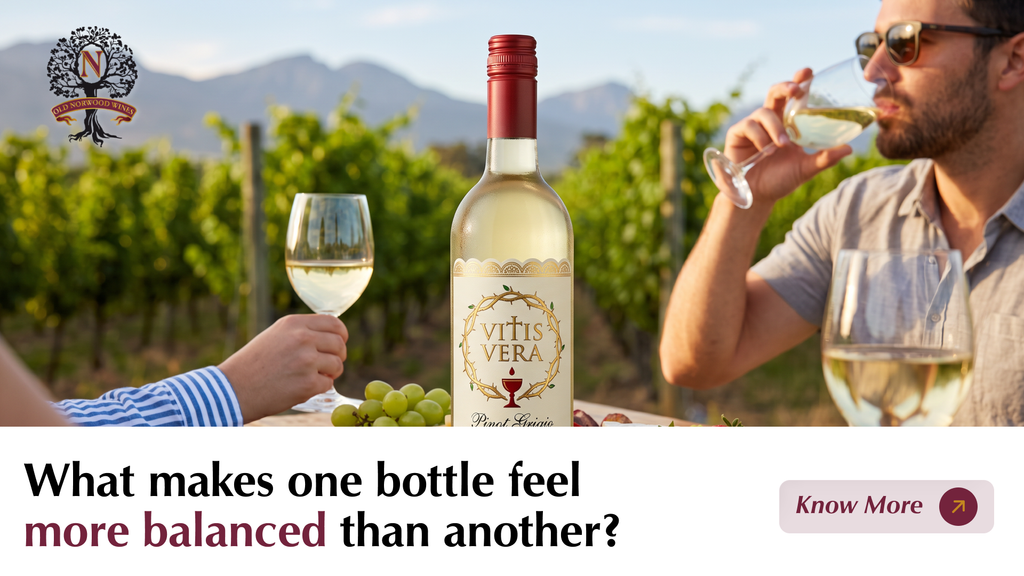
Vitis Vera Red Wine offers a different interpretation of balance. Its approachable fruit profile, smooth texture, and versatility make it equally comfortable alongside everyday meals or more formal occasions. Instead of relying on intensity, it succeeds through harmony and consistency.
Although each wine expresses balance differently, both illustrate how thoughtful winemaking allows every characteristic to work together rather than compete.
Balance Beyond the Bottle
Balance influences more than taste alone. It shapes how wine interacts with food, conversation, and the pace of an evening.
A well-balanced wine enhances the dining experience without overshadowing the meal. It encourages guests to slow down, appreciate the flavors before them, and enjoy the company around the table. This subtle role is often what makes a bottle truly memorable.
Whether paired with roasted meats, seasonal dishes, or shared family dinners, balanced wines create experiences that feel complete rather than excessive.
A Lasting Impression
The wines people remember are rarely those that are simply the boldest or most expensive. More often, they are the wines that feel effortless where fruit, acidity, tannins, and finish come together naturally in every glass.
At Old Norwood Wines, this philosophy is reflected in bottles crafted with attention to harmony, character, and consistency. Whether enjoying the structured elegance of Cantian Red Cabernet Sauvignon or the approachable balance of Vitis Vera Red Wine, every bottle is created to complement meaningful meals and memorable moments rather than compete with them.
Because in the end, what makes one bottle feel more balanced than another is not any single ingredient it’s the way every element works together.
FAQs
What does it mean when a wine is balanced?
A balanced wine is one in which fruit, acidity, tannins, alcohol, body, and finish work together harmoniously. No single element dominates the palate, allowing the wine to feel complete, enjoyable, and consistent from the first sip to the final finish.
Is a balanced wine always better than a bold wine?
Not necessarily. Bold wines can still be exceptionally well made. However, the finest wines typically combine intensity with harmony, ensuring that richness and structure enhance rather than overpower the overall drinking experience.
How can beginners recognize a balanced wine?
Begin by noticing whether any single characteristic stands out too strongly. A balanced wine should feel smooth, integrated, and enjoyable throughout the glass, with flavors that unfold naturally and encourage another sip without becoming tiring.
Why is balance important when pairing wine with food?
Balanced wines complement rather than dominate a meal. Their harmony allows food and wine to enhance one another, creating a more enjoyable dining experience where flavors remain clear, fresh, and well-integrated.