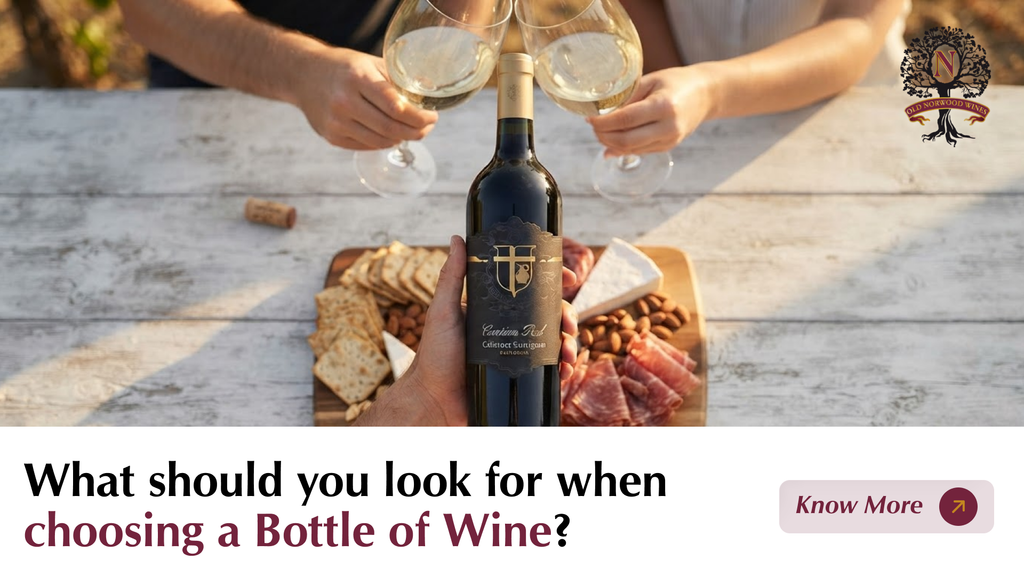
Choosing a bottle of wine can sometimes feel more complicated than it needs to be. Walk into a wine shop or browse an online collection and you’ll find different grape varieties, regions, vintages, tasting notes, alcohol levels, and styles competing for attention. With so much information on a wine label, the simple question “Which bottle should I choose?” can quickly become difficult to answer.
The good news is that choosing wine doesn’t require expert knowledge. A few simple considerations can help you find a bottle that suits your taste, your meal, and the occasion.
Start With the Occasion
The first question isn’t necessarily what wine you like. It’s why you’re buying the bottle.
A wine for a quiet dinner can be very different from one selected for a special gathering. If you’re preparing a hearty meal, a structured red may fit naturally. For a lighter lunch or warm afternoon, a crisp white wine may be more appropriate. The occasion gives you a starting point before you even consider the grape variety.
Think About the Food
Food is one of the easiest ways to narrow your wine selection.
Rich dishes often work well with wines that have enough body and structure to stand alongside them. Grilled steak, braised meats, and hearty pasta can pair naturally with Cabernet Sauvignon or Malbec. Lighter dishes, seafood, salads, and fresh vegetables may call for something brighter and more refreshing.
Cantian Red Cabernet Sauvignon, for example, offers dark fruit, baking spice, vanilla, and balanced tannins, making it well suited to grilled steak, beef short ribs, hearty pasta, and aged cheeses.
Consider the Style You Enjoy
Your own palate matters more than any universal rule. If you prefer bold wines with dark fruit and structure, Cabernet Sauvignon or Malbec may be a natural place to start. If you prefer softer, smoother wines, Merlot may be more appealing. If freshness and citrus-driven flavors are what you enjoy, Pinot Grigio can be a better direction.
Mother’s Reserve California Merlot offers a smooth and supple profile with plum, black raspberry, mocha, cedar, and soft spice. Its gentle tannins and French oak influence create an approachable style for those who prefer a softer red.
Don’t Ignore the Tasting Notes
Tasting notes are useful when you know how to read them.Words such as blackberry, plum, cherry, citrus, vanilla, cocoa, spice, and pear aren’t ingredients added to the wine. They describe aromas and flavors you may notice while drinking it.
For example, Vitis Vera Pinot Grigio features white peach, Meyer lemon, honeysuckle, green pear, citrus zest, and a mineral edge, giving you a clear idea that it is a crisp, fresh, elegant white wine.
Look Beyond the Price
Price can influence your decision, but it shouldn’t be the only measure of quality. A more expensive bottle isn’t automatically the right bottle for your palate. A well-chosen wine that complements your meal and suits your preferences can be far more satisfying than a bottle selected simply because it costs more.
Instead, consider the style, region, grape variety, tasting profile, and occasion together.
Explore Outside Your Usual Choice
Once you’ve found wines you enjoy, don’t be afraid to explore.
If Cabernet Sauvignon is your usual choice, try a Malbec with similar dark-fruit appeal but a different structure. If Pinot Grigio is your favorite white, explore another fresh white wine from a different region.
Deliverance Malbec offers blackberry, ripe plum, dark cherry, cocoa, baking spice, and subtle toasted vanilla, with 18 months in American oak contributing additional layers of clove, cedar, espresso, and dark spice.
Finding the Right Bottle
Ultimately, choosing wine is about finding the right relationship between your taste, the occasion, and the bottle. Old Norwood Wines offers a collection that gives wine drinkers different directions to explore from the structured character of Cantian Red Cabernet Sauvignon and the supple style of Mother’s Reserve California Merlot to the freshness of Vitis Vera Pinot Grigio, the expressive character of Vitis Vera Red Wine, and the layered profile of Deliverance Malbec. The best bottle isn’t necessarily the most complicated one. It’s the one that makes sense for you.
FAQs
How do I choose a good bottle of wine?
Start by considering your preferred wine style, the food you plan to serve, the occasion, and the tasting notes on the bottle. Price can help narrow choices, but personal preference should remain an important part of the decision.
What wine is easiest for beginners to choose?
Approachable wines with balanced acidity, moderate tannins, and recognizable fruit flavors are often easier for beginners to enjoy. Pinot Grigio and softer styles of Merlot can be comfortable starting points.
Should I choose wine based on the food?
Food can be an excellent starting point when choosing wine, especially when the dish has strong flavors. Consider whether you want the wine to complement, contrast, or simply refresh the palate alongside the meal.Does a more expensive wine mean better quality?
Not necessarily. Wine quality depends on many factors, including grapes, winemaking, balance, region, and personal taste. The best choice is the bottle that delivers an enjoyable experience for the person drinking it.