Your favorite wine can reveal more about your palate than you might expect. Maybe you repeatedly choose Cabernet Sauvignon because you enjoy structure and dark fruit. Perhaps Merlot appeals to you because you prefer smooth textures and softer tannins. Or maybe a crisp Pinot Grigio is always your choice because freshness matters more to you than richness.
There isn’t a correct palate to have. Wine preferences are personal, and understanding them can make choosing your next bottle much easier.
If You Love Dark Fruit
Do words such as blackberry, plum, black cherry, and blueberry immediately catch your attention?
You may naturally prefer fuller and more expressive red wines. Cabernet Sauvignon and Malbec often appeal to wine drinkers who enjoy darker fruit flavors alongside structure and depth.
Cantian Red Cabernet Sauvignon brings plum, dark cherry, blueberry, wild dark fruit, baking spice, and vanilla together with balanced tannins.
Deliverance Malbec takes a similarly dark-fruited direction, adding cocoa, espresso, cedar, sweet tobacco, and dark spice through its oak-aged character.
If You Prefer Softness
If your ideal wine feels smooth from the first sip, you may prefer softer tannins and a rounder texture. Mother’s Reserve California Merlot is designed around that kind of experience, with plum, black raspberry, mocha, cedar, and soft spice. French oak contributes roundness without overpowering the fruit.
This style can be particularly appealing if you want a red wine that feels approachable rather than intensely structured.
If Freshness Comes First
Some palates are drawn immediately to brightness. You may prefer citrus, pear, stone fruit, floral notes, and clean finishes. If you find yourself reaching for white wines at restaurants or with lighter meals, freshness may be one of the most important characteristics for you.
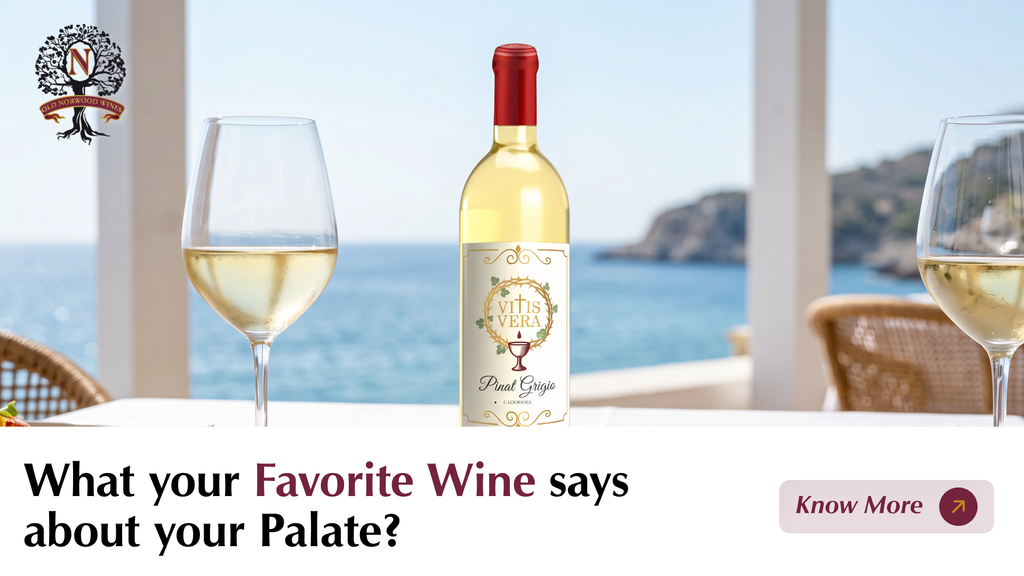
Vitis Vera Pinot Grigio offers white peach, Meyer lemon, honeysuckle, green pear, citrus zest, and a mineral edge, making freshness a defining part of its style.
If You Like Complexity
Perhaps you enjoy discovering new flavors as the wine develops. Rather than looking for one dominant characteristic, you may appreciate wines that reveal layers over time.
Deliverance Malbec is a good example of this kind of profile. Alongside dark fruit, its 18 months in American oak contribute notes of cocoa, clove, cedar, espresso, sweet tobacco, mocha, and dark spice. The experience changes as the wine opens, giving the palate more to explore.
If You Prefer Versatility
Some wine drinkers aren’t looking for a specific flavor above everything else. They want a bottle that can work across different meals and occasions.
Vitis Vera Red Wine combines Cabernet Sauvignon, Syrah, and Zinfandel, creating a rich red blend with blackberry, dark cherry, cocoa, vanilla bean, espresso, and baking spice. Its plush tannins and velvety finish make it an adaptable option for different dining situations.
Your Palate Is a Starting Point
Understanding your palate doesn’t mean limiting yourself. If you know that you love dark fruit, you have a useful starting point. If you prefer crisp whites, that gives you another. From there, you can explore wines with similar characteristics and gradually discover new styles.
Your favorite bottle isn’t a rule. It’s a clue. Old Norwood Wines brings together different wine styles so drinkers can follow those clues from structured Cabernet Sauvignon and layered Malbec to supple Merlot, fresh Pinot Grigio, and expressive red blends.
The more you understand what you enjoy, the easier it becomes to choose wine with confidence.
FAQs
What is a wine palate?
Your wine palate refers to the flavors, textures, aromas, acidity, tannins, and other characteristics you naturally enjoy or notice when drinking wine. Understanding these preferences can make selecting new wines easier.
Why do I prefer some wines over others?
Wine preferences develop from many factors, including taste sensitivity, previous experiences, food pairings, aroma preferences, and familiarity. Two people can experience the same wine differently because individual palates are unique.
Can I train my palate to taste wine better?
Yes. Tasting different wines side by side and consciously noticing aromas, acidity, tannins, body, and finish can improve your ability to recognize characteristics and understand what you personally enjoy.
Does food affect how I experience wine?
Definitely. Food can change how acidity, tannins, fruit flavors, and body are perceived. A wine that tastes one way on its own can feel noticeably different when enjoyed alongside a particular dish.